
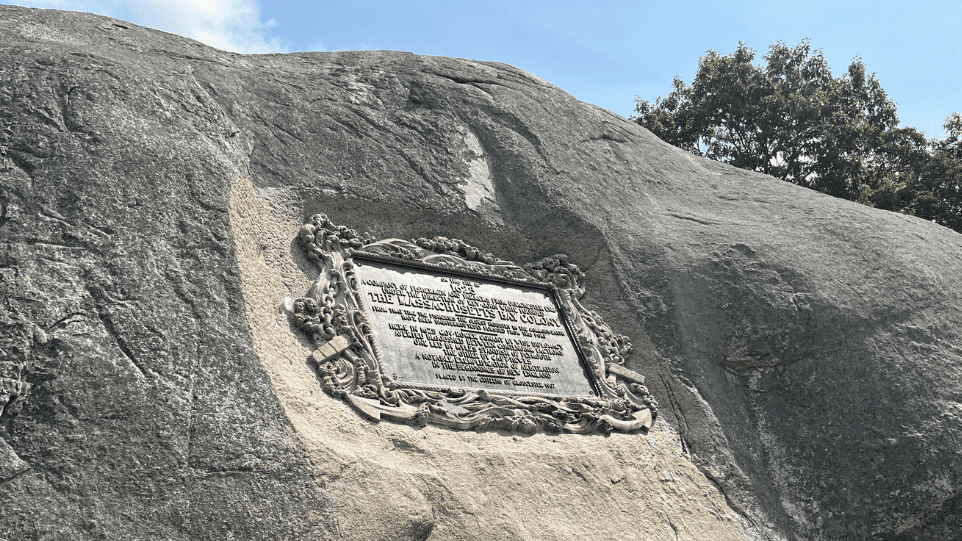
In Gloucester, Massachusetts, a plaque installed in 1907 commemorates an arbitration that averted bloodshed in 1625. The event it marks is one of the earliest recorded examples in North America of conflict resolved through reason rather than violence. While that may seem like distant history, the concept behind it, settling disputes outside of open conflict, remains just as relevant today.
Arbitration: An Old Idea with Modern Complications
Many people think of arbitration as a modern alternative to court, but it has existed in North America for more than 400 years. At its best, arbitration helps prevent the modern version of bloodshed: drawn-out and costly litigation.
However, as it is often practiced today, arbitration can resemble litigation in both time and expense. Arbitrators are not required to follow the law, and their decisions are usually final with no right to appeal. While many arbitrators are skilled and fair, others can be inconsistent, making outcomes unpredictable. Arbitration also does not always save time or avoid the expense of discovery.
For that reason, Hamlin | Cody generally recommends against blanket arbitration clauses unless the parties know and agree on who the arbitrator will be. Understanding who will decide your case is as important as understanding the terms of the dispute itself. The choice of arbitrator can shape not only the process but also the quality and fairness of the outcome. Without careful selection, the process meant to save time can instead add frustration and cost.
Mediation: A More Constructive Path
What early settlers in 1625 might have called arbitration aligns more closely with what we now call mediation. Mediation is voluntary, and the mediator has no power to impose a decision. Instead, the mediator listens to all sides, helps clarify misunderstandings, and works to build a bridge toward resolution.
Unlike arbitration, mediation preserves the participants’ ability to control the outcome. You can walk away from the process if the proposed solution does not meet your needs. Most mediations are completed in one or two days, and they are generally far less expensive and less stressful than either arbitration or litigation.
Mediation also encourages creativity. Because strict procedural rules do not confine the process, parties can explore flexible solutions that a court or arbitrator might not be able to order. This freedom allows businesses, families, and partners to protect long-term relationships while still resolving important legal or financial issues.
Why We Emphasize Mediation
At Hamlin | Cody, we view mediation as a practical and respectful way to resolve disputes. It gives the parties a voice, promotes understanding, and often protects professional or personal relationships that litigation might destroy.
Our attorneys serve clients in two ways: as advocates guiding them through mediation or as experienced neutrals helping both sides find common ground. By focusing on communication and fairness, mediation allows clients to resolve conflicts efficiently while keeping long-term interests intact.
Whether your dispute involves business partners, property, or contracts, thoughtful mediation can achieve what those early arbitrators accomplished centuries ago: peace, progress, and resolution without unnecessary conflict. Choosing to communicate before you litigate, and even while a lawsuit is pending can save more than time and money, it can preserve the relationships and reputations that matter most.
To discuss your situation or learn more about our mediation services, contact Hamlin | Cody today.